
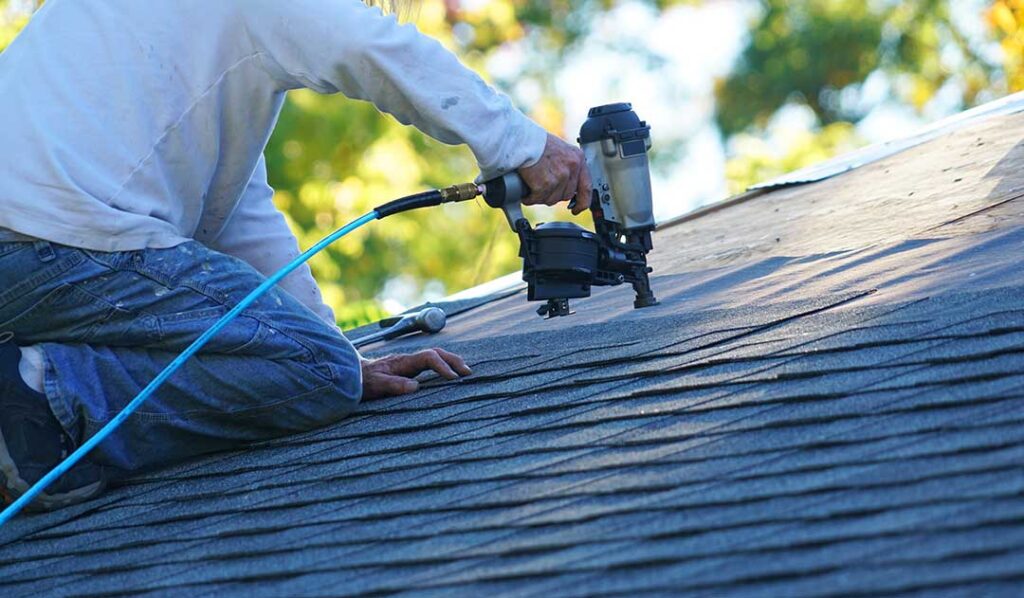
Homeowners in Rome, NY often use “re-roofing” and “roof replacement” as if they mean the same thing. They do not. Re-roofing adds a new layer of shingles over an existing layer, while a full roof replacement removes the old roofing materials and installs a new roof system from the deck upward.
The right choice depends on the roof’s age, the condition of the underlying wood, the number of existing shingle layers, moisture damage, ventilation, and the type of roofing material already in place. Understanding the difference can help households make a better-informed decision before a minor problem becomes a larger one.
What is re-roofing?
Re-roofing means installing a new layer of asphalt shingles over an existing layer without removing the original shingles. It is a limited roofing project that can improve appearance and add another weather-resistant surface when the existing roof is still generally sound.
Re-roofing is only suitable under specific conditions:
- The existing roof usually has just one layer of shingles.
- The shingles are relatively flat and not severely curled, buckled, or blistered.
- The roof deck is believed to be dry and structurally sound.
- There are no widespread leaks or hidden areas of rot.
- Local building requirements allow another layer of shingles.
The process is usually less disruptive because the old shingles remain in place. It may also take less time and create less tear-off debris. However, re-roofing does not provide an opportunity to fully inspect the roof deck, replace deteriorated underlayment, correct every flashing problem, or improve poor ventilation beneath the shingles.
What does a full roof replacement involve?
A full roof replacement removes the existing roofing materials, underlayment, and usually the flashing around roof openings and transitions. The exposed roof deck can then be inspected for water damage, rot, sagging, or other structural concerns before new materials are installed.
A replacement may include:
- Removal of old shingles or other roofing materials
- Inspection and repair of the roof deck
- Replacement of damaged underlayment
- New flashing around chimneys, vents, walls, and roof edges
- Installation of new shingles or another roofing material
- Evaluation of ventilation and drainage details
This approach provides a more complete view of the roof system. It is generally the appropriate option when the existing roof has multiple layers, widespread deterioration, recurring leaks, or damage beneath the visible shingles.
How can a homeowner tell which option may be appropriate?
The visible condition of the shingles offers useful clues, but it does not reveal everything. A roof with a few missing shingles may still have significant underlayment or deck damage, while an older-looking roof may remain dry and reasonably serviceable in limited circumstances.
Re-roofing may be considered when damage is mainly cosmetic or localized and the existing roof is otherwise stable. Full replacement becomes more likely when there are several of the following conditions:
- Shingles are curling, cracking, splitting, or losing large amounts of surface granules.
- Dark stains or damp areas appear in the attic.
- Leaks occur in more than one location.
- The roof has visible sagging between rafters or trusses.
- The existing roof already has two layers of shingles.
- Flashing is damaged or sealed with repeated patches.
- Ice-related moisture problems have affected ceilings, insulation, or wall surfaces.
- The roof is near or beyond the expected service life of its materials.
A roof inspection should distinguish between surface wear and problems below the shingles. In winter-prone areas, this distinction matters because repeated freeze-thaw cycles, snow accumulation, wind, and ice dams can expose weaknesses that are not obvious from the ground.
Is re-roofing cheaper than replacement?
Re-roofing is often less expensive at the beginning because it avoids much of the labor and disposal involved in removing the old roof. That does not automatically make it the better long-term value.
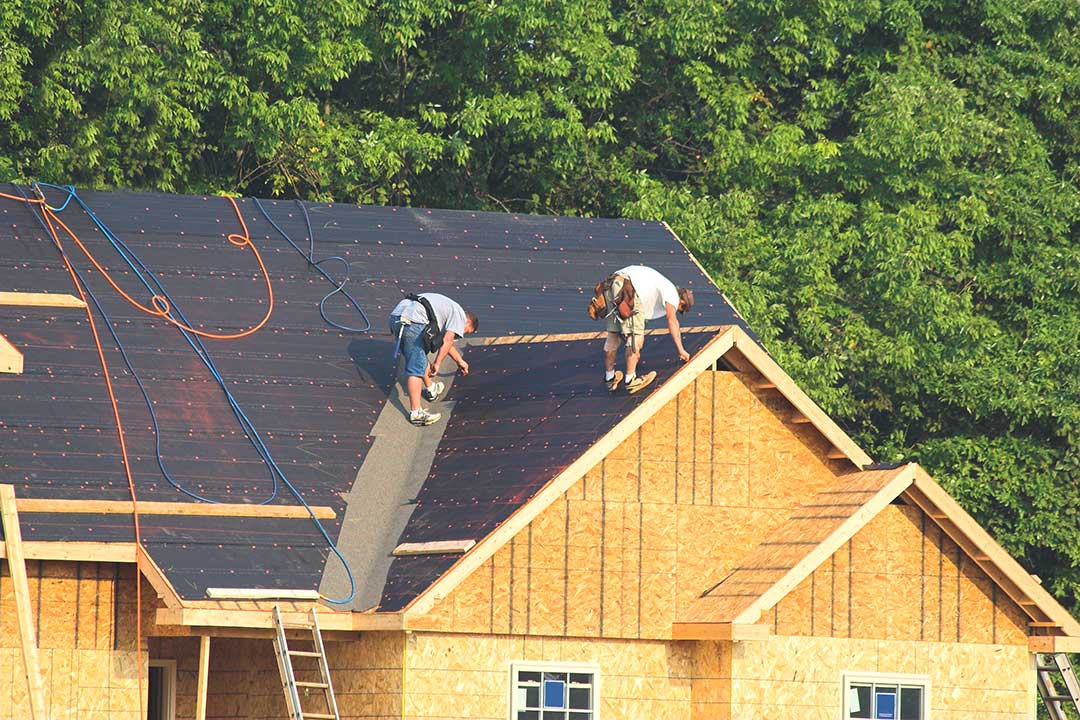
A new layer placed over damaged or uneven shingles can hide problems rather than correct them. If moisture is already entering the roof assembly, re-roofing may leave wet wood, deteriorated underlayment, or defective flashing in place. Repairs may then become more complicated later because the newer shingles must also be removed.
Full replacement usually requires a larger initial investment, but it offers a clearer opportunity to correct underlying defects. The meaningful comparison is not only the price of the first project. It is also the expected service life, the likelihood of future repairs, the condition of the roof deck, and whether the work addresses the actual source of water entry.
What role do Rome’s seasonal conditions play?
The local climate places repeated demands on residential roofing. Snow, wind, freezing temperatures, spring rain, summer heat, and rapid temperature changes can all affect shingles and flashing over time.
Ice dams are one example. They can form when heat escapes into a cold attic and melts snow on the warmer sections of a roof. Water may then refreeze near the eaves and work beneath shingles. A new layer of shingles does not, by itself, correct inadequate insulation, air leakage, or poor attic ventilation.
Heavy snow can also reveal structural concerns, particularly on roofs that already sag or have weakened framing. Wind can lift aging shingles, while freeze-thaw movement can enlarge small cracks around flashing and roof penetrations. A decision about re-roofing should account for these recurring conditions rather than focusing only on how the roof looks during dry weather.
Can a roof be re-roofed more than once?
In many cases, roofing systems are not intended to receive unlimited additional layers. Multiple layers add weight and can make it harder to identify leaks, inspect the deck, and install flashing correctly. Uneven underlying shingles may also create a less stable surface for the new layer.
A roof with more than one existing layer commonly requires tear-off before new materials are installed. Even where another layer might technically be allowed, the condition of the existing roof and the structure supporting it should be evaluated first. Building requirements can vary, so local code questions should be verified before work begins.
Does re-roofing fix leaks?
Re-roofing may cover some minor surface defects, but it is not a universal leak repair. Water can travel beneath shingles and enter the home through valleys, flashing, roof penetrations, or damaged underlayment. The location of an interior stain may not match the point where water entered the roof.
If leaks are recurring, widespread, or connected to deteriorated materials below the shingles, a full replacement may be necessary. A roof should not be re-covered simply because the source of a leak is difficult to locate.
What should be checked before making a decision?
Before choosing between the two options, the roof should be evaluated as a complete system rather than as a layer of shingles alone. Useful questions include:
- How many shingle layers are already present?
- Is the roof deck dry, flat, and structurally sound?
- Are leaks isolated or occurring in several areas?
- Is the flashing intact around chimneys, vents, skylights, walls, and valleys?
- Are attic insulation and ventilation contributing to ice dams or condensation?
- Are repairs likely to outlast the remaining life of the existing shingles?
- Will the proposed work meet applicable building requirements?
For safety reasons, roof surfaces should not be walked during snow, ice, high winds, or other hazardous conditions. Attic inspections should also be approached carefully because of limited footing, exposed fasteners, electrical equipment, and insulation.
The basic distinction is straightforward: re-roofing adds a layer, while full replacement removes the old roof and addresses the system beneath it. Re-roofing can be reasonable when the existing roof is sound and meets the necessary conditions. Replacement is generally more appropriate when the roof is leaking extensively, has hidden damage, contains multiple layers, or needs improvements that cannot be completed from the surface.
