
What Is Roof Pitch?
Roof pitch is the measure of how steep your roof is, described as the ratio of vertical rise to horizontal run. For example, a "6/12 pitch" means that the roof rises 6 inches for every 12 inches it runs horizontally. This measurement is crucial because it impacts not only the look of your home, but also how it withstands the region’s heavy snow, rain, and seasonal weather.
Why Does Roof Pitch Matter for Local Homes?
The primary reason roof pitch matters in Rome, NY is its role in protecting homes against winter elements common in the region. Steeper pitches help snow and rain slide off more effectively, reducing weight loads and minimizing leaks. On the other hand, flatter roofs may require more diligent maintenance to handle pooled water or snow accumulation.
Homes in the area, from century-old colonials to more modern ranch styles, often reflect deliberate roof slope choices. These choices are influenced both by aesthetics and by the need to respond to the city's snowy winters and wet springs.
How Is Roof Pitch Measured?
Measuring roof pitch can be done using a level and a tape measure. Place the level on the roof’s surface, measure 12 inches along the level, and then use the tape measure to note how many inches the roof rises over that distance. That value represents the pitch—for example, a rise of 7 inches over 12 inches results in a 7/12 pitch.
Area residents sometimes get confused between roof pitch and roof slope. While the terms are sometimes used interchangeably, “pitch” more specifically refers to the actual ratio, whereas “slope” describes the general steepness.
What Roof Pitch Is Common or Recommended in the City?
Most pitched roofs in the region range from 4/12 (gentler slope) to 9/12 (steeper), reflecting the need for effective snow shedding. The style and age of the home can influence the pitch:
- Older homes often feature steeper, gabled roofs to reduce snow buildup.
- Some newer homes incorporate lower pitches for a more contemporary look but must compensate with effective waterproofing and structural reinforcement.
Flat or nearly flat roofs (less than 3/12 pitch) are rare in the city’s residential areas due to the high snow loads during winter.
How Does Pitch Affect Maintenance and Roof Longevity?
A roof’s pitch directly impacts how much maintenance it may need, especially in climates with significant snowfall like Rome. Steeper roofs generally:
- Allow snow and rain to run off quickly, reducing the risk of leaks
- Experience fewer issues with debris buildup
- Tend to last longer since water doesn't pool and materials dry out faster
Flatter roofs demand closer attention. Homeowners need to regularly check for pooling water, ice dams, and debris, especially along edges and near drainage points.
Can Roof Pitch Affect Heating Bills or Ventilation?
Yes, roof pitch can influence both energy use and attic ventilation:
- Steeper roofs often provide more attic volume, allowing for better airflow and insulation placement.
- Proper pitch reduces risks of ice dams, which are common in local winters and can lead to sudden heat loss or water penetration if unaddressed.
- Low-pitched roofs may require additional ventilation features to ensure moisture control and indoor comfort.
Unexpected drafts, higher than usual heating bills, or persistent attic dampness in area homes can sometimes be traced back to an unsuitable or compromised roof slope.
How Does Pitch Influence the Type of Roofing Material Used?
Roofing material selection should always reflect roof pitch, especially in regions with varied weather. Certain shingles, such as standard asphalt or architectural types, work well on most moderately pitched roofs. For steeper roofs, materials like slate, tile, or metal are common because they shed water and snow efficiently.
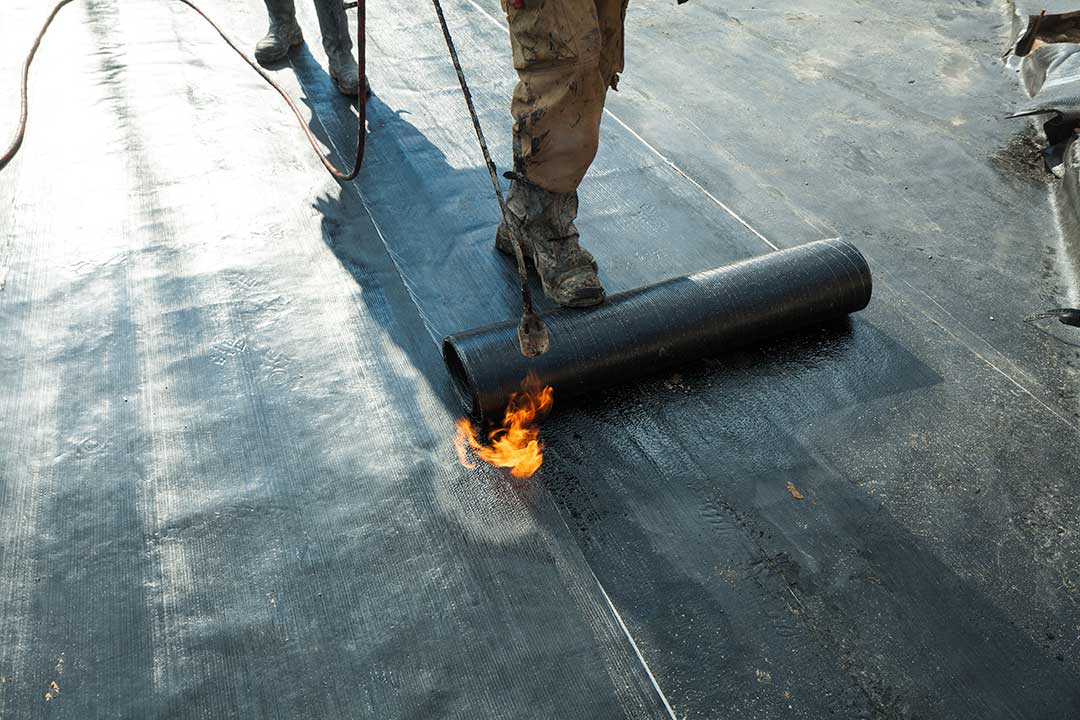
On very low-sloped roofs, rolled roofing or modified bitumen might be used, but these are less common for the area’s pitched residential roofs due to the challenging winter loads.
Are There Local Building Codes or Requirements Related to Roof Pitch?
Building codes in the community generally specify minimum pitch standards for different house styles and materials—a necessity in areas with snowfall like Rome. Very low-pitched roofs may require particular waterproofing methods and materials. Whenever renovations or additions are planned, homeowners should review city code or consult local building officials for the latest residential requirements regarding minimum and maximum allowable pitches for safety and compliance.
What If You Notice a Problem with Roof Slope or Drainage?
If water, snow, or ice regularly collect on your roof, or if you notice persistent leaks, sagging, or unusual wear patterns, the pitch or drainage system may not be adequate for local conditions. These signs warrant a thorough inspection, particularly before winter sets in. Resolving issues at the pitch/design level is often more effective than repeatedly patching leaks or clearing ice after storms.
Common Misconceptions About Roof Pitch in the Area
It’s a common misunderstanding that a steeper roof is always better. While a high pitch can help shed snow and extend a roof’s life, excessively steep roofs can be costlier to build, harder to access for repairs, and may not suit every architectural style in the area. Additionally, assuming any low-pitch roof will automatically have problems overlooks the role of modern materials and careful construction in ensuring resilience.
