
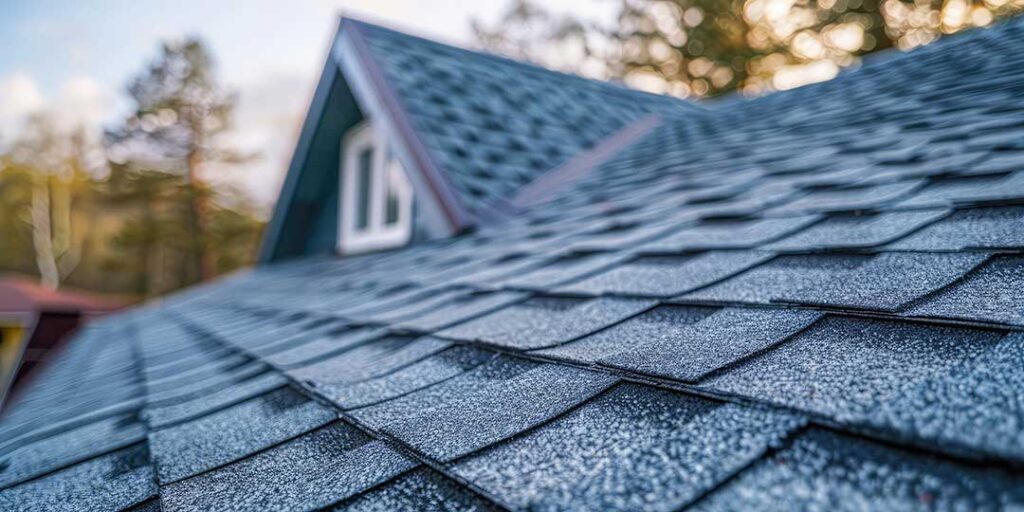
How Does Sun Exposure Affect Roofs in Rome, NY?
Direct sunlight is a significant factor in roof wear for homes across Rome, NY. Extended sun exposure, especially during summer months, can cause roofing materials to degrade faster than many people expect. The city’s four-season climate means roofs face both intense summer sun and harsh winter cold, so understanding how UV rays and heat play a role helps homeowners make informed choices about maintenance and roof care.
Which Roofing Materials Are Most Vulnerable to Sun Damage?
Some materials are more affected by UV light and heat than others. For area homes, the most common roofing types include asphalt shingles, metal panels, and sometimes tile or slate.
- Asphalt shingles: The most widely used in the city, these can dry out, become brittle, or warp after many years of sun exposure.
- Metal roofing: More resilient to UV degradation, but thermal expansion and contraction from temperature swings can loosen fasteners or seams over time.
- Tile and slate: Less common but present on some historic or custom homes, these materials resist UV well but can suffer from heat stress that weakens underlying structures.
In neighborhoods with little natural shade or trees, surface temperatures on roofs can reach well above the outside air, accelerating this wear.
What Problems Does Sun Exposure Cause for Local Roofs?
Prolonged sunlight leads to several common issues that households in Rome may notice:
- Color fading: UV rays break down the pigments or granules on shingles, leaving them dull or discolored.
- Curled or cracked shingles: Excessive heat causes asphalt to dry and lose flexibility, resulting in visible curling or splits.
- Shortened lifespan: Roofs in sunnier spots wear out sooner, sometimes needing replacement years before an identical roof in a shaded area.
- Sealant failure: Sunlight degrades the caulks and sealants used around vents, chimneys, and flashing, causing leaks.
- Increased attic heat: Dark roofing absorbs sun, raising attic temperatures and adding strain on insulation and cooling systems in summer.
Local residents may see these effects on south- and west-facing roof slopes, which typically receive the most direct sun throughout the day.
How Does Rome’s Climate Influence Sun Damage?
Rome’s climate has distinct effects on roofing. Summers can be hot and humid, but winters are long, cold, and snowy. The combination of summer sun and winter freeze cycles can amplify damage.
- Thermal shock occurs when surfaces expand in the afternoon sun and contract rapidly on cool nights, leading to cracking or loosening of materials.
- UV intensity is highest from late spring to early fall, but even cold, clear days allow for energy absorption that can dry out and wear shingles.
- Roof orientation matters: In neighborhoods where roofs face south or west, these sides always receive the strongest sunlight and show deterioration soonest.
In heavily wooded sections of the city, trees might buffer roofs from sun, but urban areas or newer developments with minimal shade see much greater UV impact.
Are There Ways to Reduce Sun-Related Roof Wear?
While sun exposure can’t be eliminated, several practical strategies help extend the useful life of a roof in and around Rome:
- Choosing lighter shingle colors reflects more sunlight and absorbs less heat.
- Installing adequate roof ventilation keeps attic spaces cooler, reducing thermal stress on shingles and underlying wood.
- Keeping trees trimmed over the roof provides intermittent relief but should be balanced against the risk of falling limbs or excess leaf debris.
- Routine maintenance—like clearing debris, checking for cracked sealant, or replacing worn shingles—prevents sun-related small problems from becoming major ones.
- Applying reflective coatings (where permitted by local building codes) can add years to the roof’s surface.
For homes with recently installed roofs, a schedule of visual checks—particularly after the hottest months—can catch subtle sun damage early.
What Are Misconceptions About Sunlight and Roof Damage in the City?
A common myth among area residents is that only heat—not the sun itself—damages roofing. In reality, UV radiation causes much of the molecular breakdown in roofing materials, even during cooler seasons.
Another misconception is that new roofs are immune to sun damage for many decades. While today’s materials are often designed to better withstand sunlight, no roof is entirely unaffected. Manufacturer warranties typically assume regular maintenance, and visible signs of sun wear can sometimes appear within a decade on unshaded roofs.
Finally, some assume that a north-facing roof has no risk from the sun. While less exposed, it can still sustain damage from reflected light, especially if light-colored surfaces (like snow or neighboring homes) reflect sunlight upward during winter.
When Should Residents in Rome Consider Professional Inspection?
Annual or semi-annual roof inspections are generally safe for most homeowners to conduct themselves. However, if there’s visible surface damage like shedding granules, cracked or separated shingles, or signs of leaking inside the house, a more thorough inspection is wise. Older roofs—especially those nearing 20 years old or more—may need extra attention as sun-related wear becomes more pronounced.
Rome’s local regulations may also guide when and how repairs are made, especially regarding roofing materials for historic districts or newer subdivisions.
