

What Is Roof Flashing?
Roof flashing is a thin, impervious material—typically metal or flexible rubber—that directs water away from critical areas on a roof, such as joints, valleys, or points where the roof meets walls, chimneys, or vent pipes. Its main job is to seal gaps and direct water safely toward the gutters, preventing it from seeping into your home.
In towns like Rome, NY, where roofs experience intense freeze-thaw cycles, heavy snowfall, and rain, flashing is essential to helping homes stay dry and structurally sound through all seasons.
Why Does Roof Flashing Matter for Homes in This Area?
Roof flashing prevents water infiltration, which can lead to costly water damage, mold growth, and eventual structural rot. This is especially relevant in a region like Rome, NY, where precipitation and fluctuating temperatures place extra stress on roofing materials.
Damage caused by inadequate or missing flashing often goes unnoticed until stains appear on ceilings or walls, or wood starts to soften and sag. In homes with older roofs, flashing may become brittle, rusted, or even pull away due to ice buildup and seasonal expansion and contraction. Prompt attention to flashing is key for maintaining a roof’s integrity.
Where Is Roof Flashing Used?
Flashing is installed in places where a roof intersects with other structures or where its surface is interrupted. Common locations homeowners might notice or hear about include:
- Chimneys and skylights
- Roof valleys, where two roof slopes meet
- Around vents, pipes, and attic fans
- Along eaves and rakes (roof edges)
- At the base of walls that meet the roof
Each area serves a specific purpose, but all work together to create a continuous barrier against water.
What Types of Materials Are Used for Roof Flashing?
Metal is the most widely used material for flashing, with aluminum, galvanized steel, and copper being the most common choices. Each material has its pros and cons:
- Aluminum: Lightweight, rust-resistant, and relatively affordable, although it can corrode if not coated properly.
- Galvanized Steel: Strong and durable, but it can rust if its coating gets damaged.
- Copper: Long-lasting, rarely corrodes, and forms a natural patina over time, but it is more expensive and mainly found on higher-end or historic homes.
For certain situations, such as with newer roofing systems or unique rooflines, synthetic rubbers or specialized membranes may be used. Material selection usually depends on budget, roof design, and the degree of weather exposure.
How Can You Tell if Flashing Needs Attention?
A quick visual inspection can sometimes reveal problems, but many flashing issues are hidden from plain view. Homeowners should check for:
- Visible rust or corrosion
- Sections of metal that appear loose or lifted
- Cracked or missing sealant near flashing edges
- Water stains on ceilings or walls after rain or snowmelt
Seasonal roof checkups in Rome are especially important after winter, as ice and snow can pry flashing loose or force water into small gaps.
What Happens If Flashing Fails?
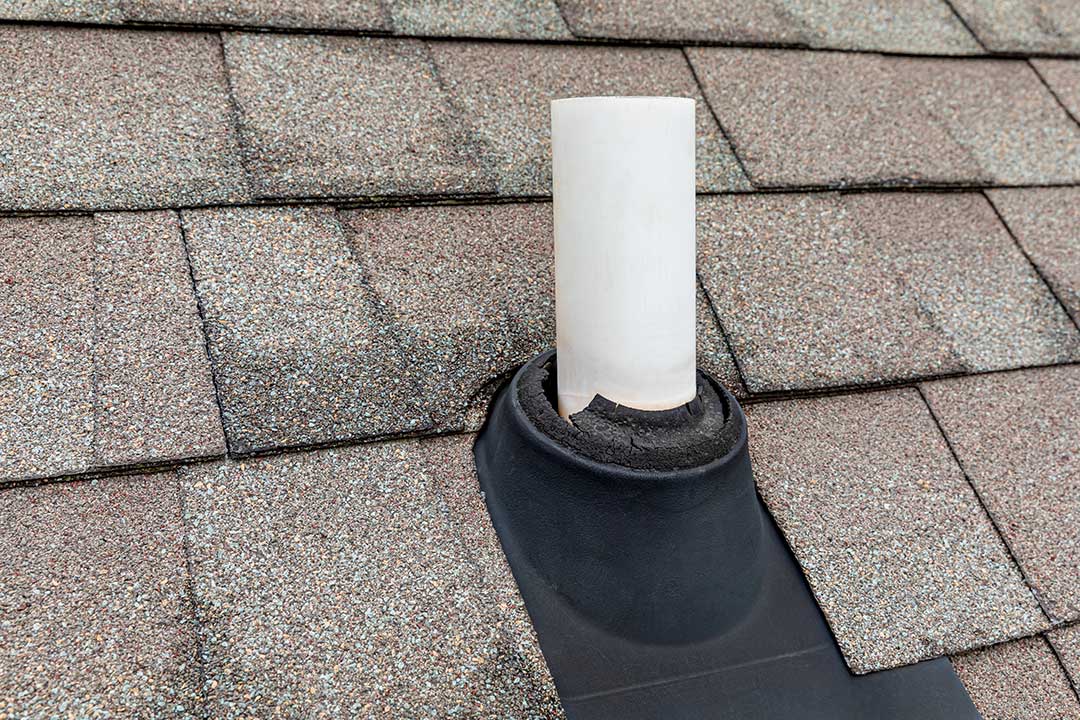
Failed or missing flashing exposes homes to water entry—even small leaks can gradually cause:
- Damp or stained ceilings and walls
- Mold growth in attics or wall cavities
- Rotting wood framing and decks
- Peeling paint or plaster
- Ice damming issues in winter
Roof leakage from faulty flashing is often mistaken for shingle problems, but replacing shingles alone doesn’t resolve the underlying issue. Effective repairs often mean resealing, reshaping, or fully replacing damaged flashing segments.
Can Flashing Be Repaired or Upgraded Without Major Renovations?
In many cases, addressing flashing problems does not require a full roof replacement. A damaged section of flashing can sometimes be re-bedded or resealed as a targeted repair. However, if water has already entered the roof or attic cavity, more extensive work may be needed to address underlying wood damage or mold growth, following local safety and building guidelines.
For homeowners in the city, regular roof maintenance—including checking flashing at the start and end of winter—can prolong roof life and prevent more complicated repairs later on.
Common Misconceptions About Roof Flashing
Many people believe that new shingles or roof replacements “automatically” mean the flashing is taken care of. However, flashing sometimes gets reused or left untouched, particularly on complex roofs or during cost-cutting repairs. Always verify that all flashing is inspected and, if necessary, replaced during any substantial roofing project.
Another misconception is that caulking alone is sufficient to seal roof gaps. While sealants can provide a temporary fix, flashing and caulk work together—flashing forms the durable water barrier, while caulk seals joints and edges.
Local Weather and Flashing Durability
The freeze-thaw cycles and heavy precipitation of the area place added pressure on all roof components—especially flashing. Ice accumulation pushes water beneath flashing and shingles, causing premature wear. Swift snowmelt and driving rain further test the limits of aging or poorly installed flashing.
Because of these regional challenges, area households benefit from choosing more durable flashing materials and performing regular inspections, particularly after storms or ice events.
Final Thoughts: Proactive Maintenance and Awareness
In regions with challenging weather, people who stay informed about their roof’s components can avoid the most common causes of water intrusion. Understanding flashing—and making it part of regular home checkups—can protect investments and maintain safe, dry, and healthy living spaces, year after year.
