
Why Is Roof Debris Removal a Regular Necessity for Residents in Rome, NY?
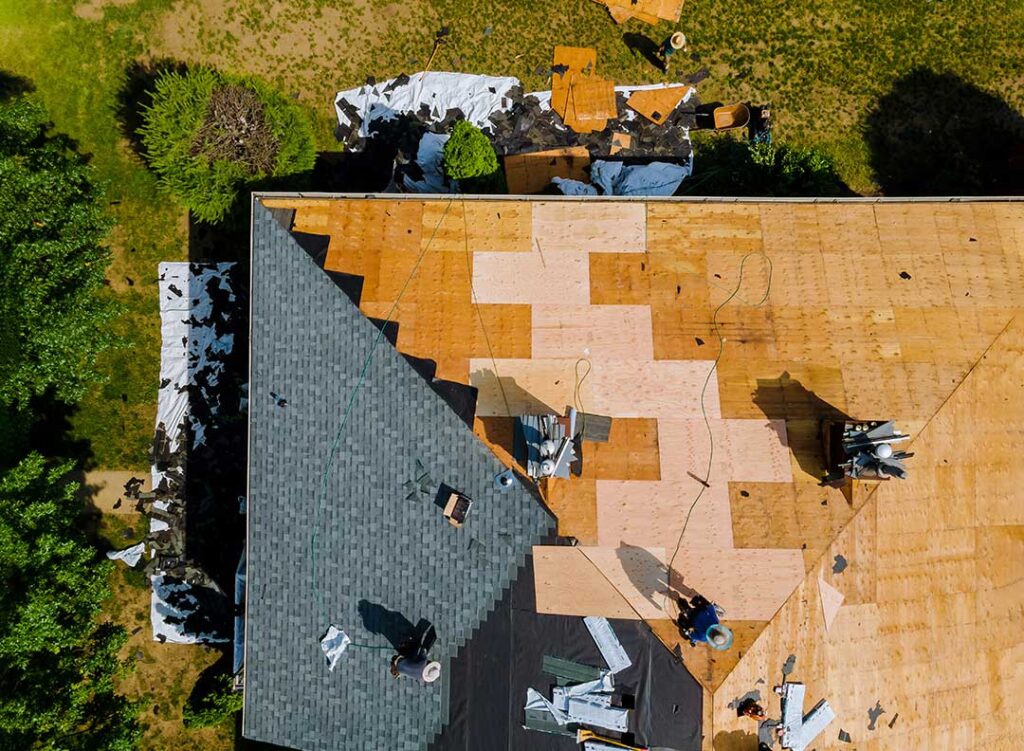
Debris such as leaves, pine needles, and twigs accumulates quickly on rooftops throughout Rome, NY, especially in neighborhoods with mature trees. These materials tend to collect in roof valleys, around chimneys, and near gutters. Regular removal helps prevent moisture buildup, shingle damage, moss growth, and ice dam formation—common concerns in the local climate, particularly after autumn leaf-fall and winter thaws.
What Risks Can Debris Cause for Your Roof?
Debris holds moisture against the roof surface, creating an ideal environment for moss and algae, which can shorten shingle lifespan. In colder months, material clogs can contribute to ice dams, leading to leaks. When gutters fill with organic matter, rainwater may overflow, causing water intrusion at the eaves or foundation. In Rome’s climate, these issues are often more pronounced due to the city’s combination of heavy fall foliage and snowy winters.
How Often Should Debris Be Cleared?
Most area households will benefit from inspecting and clearing minor debris at least twice per year—once after leaves fall in late autumn, and again in late spring after maple and pine pollen drop. Additional checks following severe storms or high winds are wise. Properties with large shade trees or homes located on wooded lots typically require more frequent attention.
What Preparations Are Needed for Safe Debris Removal?
Before climbing a ladder or stepping onto a roof, take the following preparatory steps:
- Choose a clear, dry day when the roof is free of moisture to minimize slipping hazards.
- Use sturdy, well-maintained ladders set on stable ground.
- Wear rubber-soled shoes with good traction.
- Have a family member or neighbor nearby for safety if possible.
- Keep all necessary tools—such as a roof rake, soft-bristled broom, bucket, and gloves—within reach before starting.
Those who are uncomfortable with heights or have steep, multi-story roofs should avoid climbing onto the roof at all. Even with safety precautions, Rome’s icy conditions in late fall and early spring increase risks.
What Are the Most Effective Tools and Techniques for Clearing Debris?
For single-story homes with moderate slopes:
- Use an extendable roof rake to gently pull leaves and debris downward without scraping shingles.
- Soft-bristled brooms can dislodge stubborn pine needles, but never use hard metal tools which may damage roofing material.
- A plastic leaf blower set at low speed can help with dry debris. Avoid high power settings, as they can disturb shingles or send debris into gutters.
For clearing gutters:
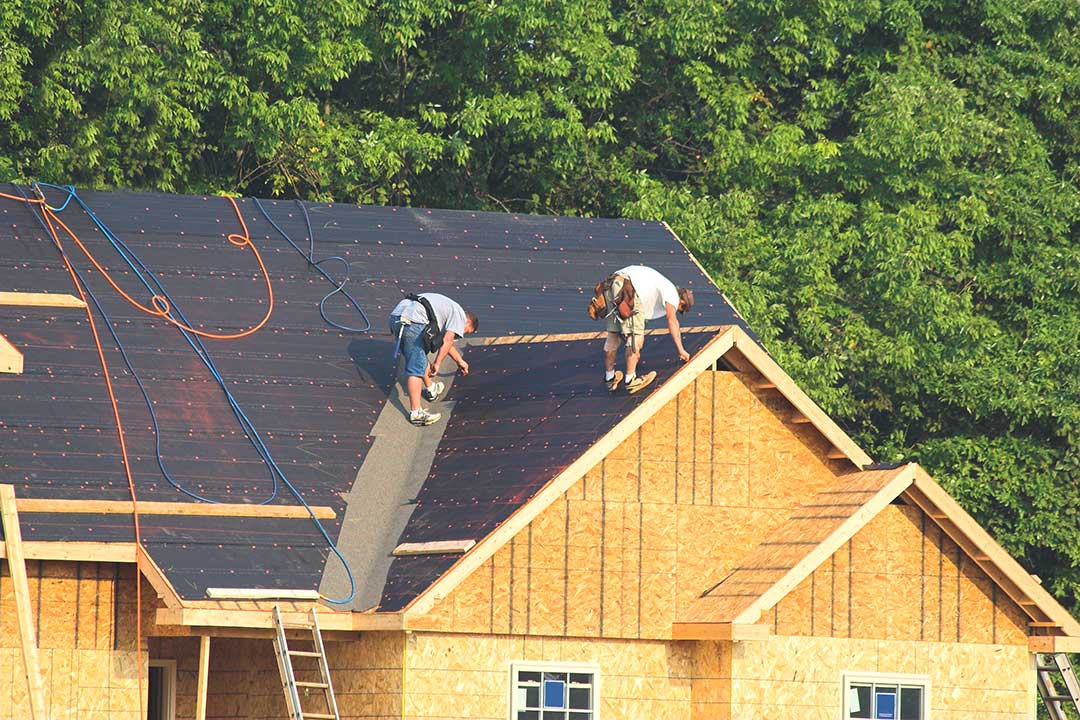
- Wear work gloves and scoop debris out by hand or with a gutter scoop.
- Place tarps below the work area to catch falling leaves for easier cleanup.
- Use a garden hose to flush small particles, ensuring downspouts are clear.
Are There Special Local Factors to Consider?
Rome’s combination of deciduous and evergreen trees means debris accumulation varies by neighborhood. Maple, oak, and pine are especially common in residential areas. Late autumn leaf drop often coincides with early snowfalls, so residents sometimes encounter a mix of wet leaves and slushy buildup. In shaded yards, debris may freeze, making removal difficult until a thaw. It’s best to act before the first freeze, as frozen leaves are harder to clear and can mask icy patches underneath.
What Important Safety Considerations Should Be Kept in Mind?
A brief climb on a dry, mild day is the safest scenario. Avoid working on roofs during windy, icy, or wet conditions—a frequent concern in the region during shoulder seasons. If debris must be cleared during these periods, perform what you safely can from the ground or ladder using a long-handled tool. Never walk on snow-covered or visibly mossy sections, as these are extremely slippery. If power lines are present near the roof edge, exercise additional caution to avoid accidental contact.
What Are Common Misconceptions About Debris Removal?
Some residents believe that debris only poses a concern if it’s visibly thick or affecting drainage. In reality, even a thin layer of moisture-trapping material can encourage shingle deterioration or moss over time. Another misconception is that blasting leaves off with a high-powered blower is harmless, but this can lead to shingles lifting, granule loss, or lodged material in hard-to-clean roof valleys.
What Ongoing Habits Support a Clear Roof Year-Round?
Regular visual checks from the ground—especially after storms—help spot at-risk areas. Trimming tree limbs back several feet from the house reduces fresh buildup and lessens shade, discouraging moss growth. Checking attic and roof ventilation helps the roof dry after rain or snow, limiting moisture accumulation under organic debris.
By following a routine tailored to the local climate and vegetation, residents can help extend the lifespan of their roof and prevent costly water damage or ice issues.
