
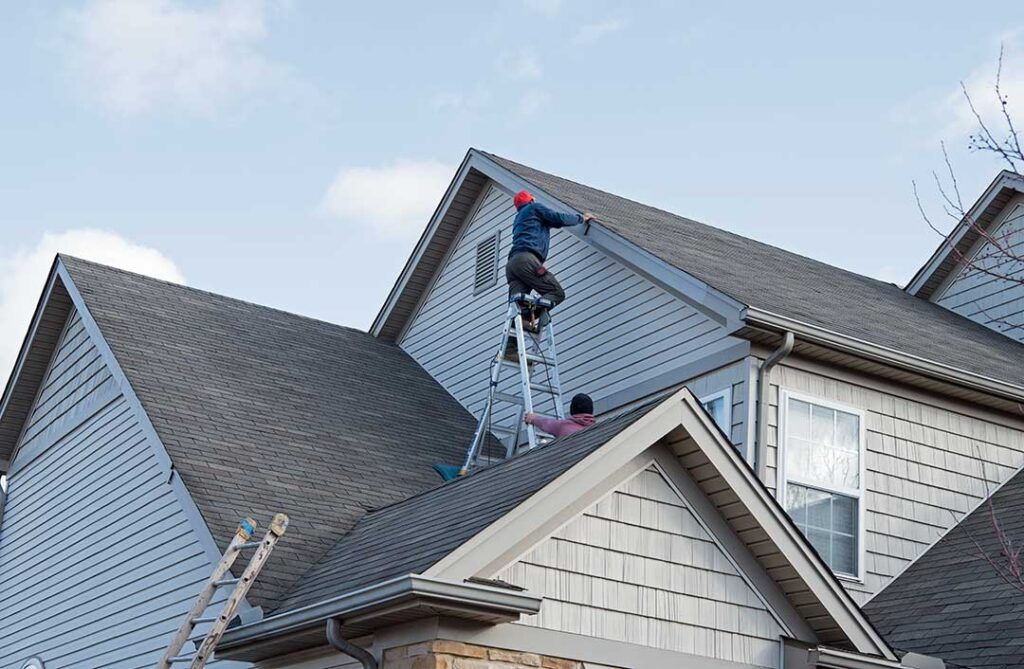
Why Is Proper Roof Drainage So Vital for Homes in Rome, NY?
Roof drainage matters because the area’s seasonal rain, snow, and ice can quickly place excess stress on roofing structures. Proper systems help prevent water infiltration, foundation problems, and damage from ice dams—issues that local residents frequently face due to the climate. Inadequate drainage is a common cause of leaks, rotting fascia, and gutter overflow, especially after heavy downpours or rapid snowmelt typical in the region.
What Should Homeowners Know About Roof Slopes and Water Flow?
Water needs to move swiftly and efficiently off the roof. The pitch or slope determines how easily water can drain:
- Steeper slopes shed water and melted snow faster but require secure gutter attachment to handle runoff speed.
- Flatter roofs can have slower drainage and are more susceptible to pooling water, which risks leaks and structural damage.
Rome, NY homes often feature moderate slopes to balance snow retention and runoff. Regular visual checks can reveal areas where water lingers, which may suggest improper slope or gutter blockage.
How Do Gutters and Downspouts Work Together to Safeguard a Home?
Gutters collect runoff along the roof’s edge and channel it toward downspouts, which direct water safely away from foundations. In Rome, downspouts should discharge at least several feet from the house, ideally onto sloped ground or into drainage extensions to minimize basement flooding and erosion.
Best practices for local homes include:
- Checking that gutters are securely fastened and free of debris, especially after spring thaw and fall leaf-drop.
- Ensuring downspouts aren’t clogged and that their outlets don’t dump water close to the structure.
- Installing splash blocks or flexible extenders to guide water further from the foundation—an especially good idea for homes with shallow basements or older drainage systems.
What Are Signs Drainage is Not Working Correctly?
Clues that a drainage issue exists include:
- Overflowing or sagging gutters during rainfall
- Water stains or algae behind gutters
- Pooled water near the base of exterior walls
- Ice dams forming along the edge of the roof in winter
- Peeling paint or decayed siding under eaves
In Rome’s climate, blocked gutters often freeze overnight, making early fall and late winter the most important times to monitor for trouble.
What Maintenance Helps Keep Roof Drainage Systems Working Year-Round?
Routine attention can prevent almost all avoidable problems. Practical steps area households can take:
- Clear leaves, pine needles, and twigs from gutters and downspouts in late autumn and spring
- Inspect after major storms for branches, shingle granules, or ice buildup
- Check joints and seams for leakage or separation
- Ensure gutter hangers are tight and positioned for steady flow
- Look for rusty spots or holes and address them immediately
In neighborhoods surrounded by mature trees, gutter covers or leaf guards can reduce the frequency of cleanings, but these must themselves be checked for trapped debris.
Are Ice Dams a Special Concern in Rome’s Winters?
Ice dams—a ridge of ice that prevents melting snow from draining off the roof—can cause significant water backup and damage. These form most often after heavy snow followed by periods of thaw and freeze, which are common in the region.
Prevention includes:
- Improving attic insulation and ventilation to keep roof temperatures consistent and reduce uneven melting
- Keeping gutters clear so water can escape before freezing
- Using roof rakes to safely remove snow from roof edges after heavy snowfall
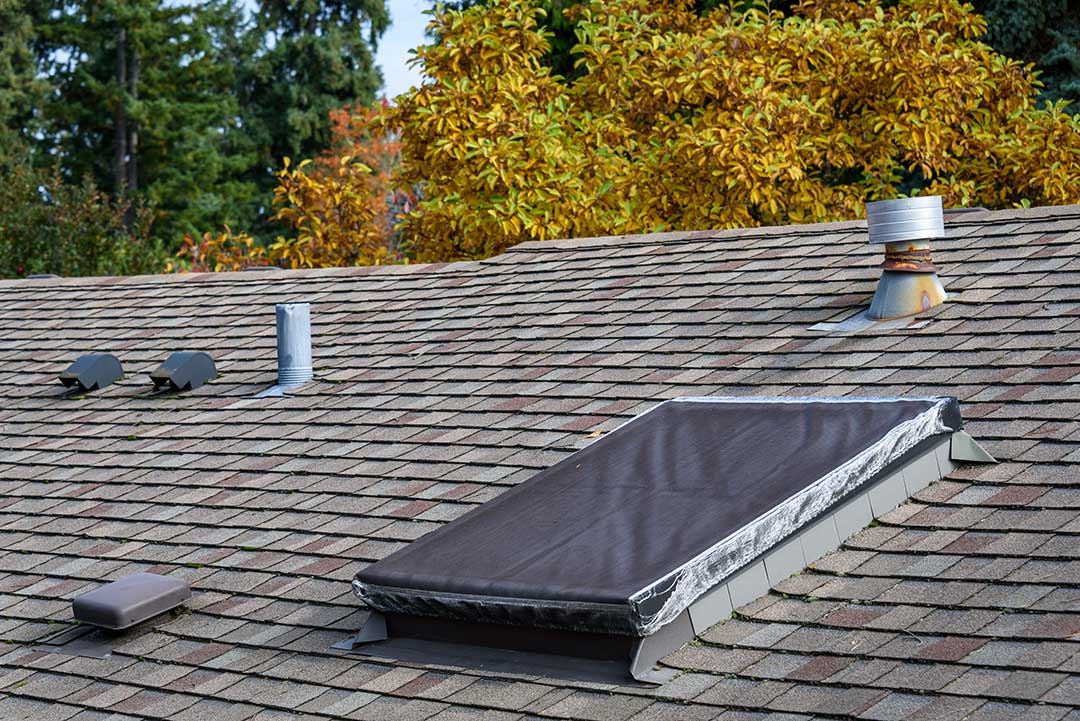
Many homeowners underestimate the impact of minor ice buildup, but repeated freeze-thaw cycles can push water under shingles and into attics, creating hard-to-spot leaks until damage appears inside.
What about Flat or Low-Slope Roofs Common on Porches or Additions?
Flat or low-slope roofs, often found on porches, garages, or home additions, pose unique drainage challenges. Water sheds more slowly, and standing puddles can compromise the roofing membrane.
For these areas:
- Internal drains or scuppers (sidewall openings) may be used in place of gutters
- The membrane or surface should gently slope toward the drain points; even a slight depression can lead to pooling
- Clear debris from drain inlets regularly, especially after windstorms or leaf fall
Proper attention to these small, flat-roofed sections can prevent hidden rot and future expense.
How Does Roof Drainage Affect Local Infrastructure and Neighbors?
Where water goes after leaving your roof also matters. Over time, uncontrolled drainage can erode sidewalks, damage landscaping, or contribute to icy spots on walkways and driveways—issues that affect not only the property owner but also neighbors and passersby.
Ideally, downspout outlets should:
- Avoid emptying onto walkways or driveways where ice hazards form in winter
- Direct water to lawns, gardens, or stormwater management areas when possible
- Be checked regularly to ensure water isn’t being inadvertently diverted toward neighboring properties
Rome’s stormwater rules may require that water is managed on-site and not allowed to run off directly into the street or onto other parcels.
What Common Misconceptions Lead to Roof Drainage Problems?
Several widespread beliefs sometimes lead to mistakes:
- Assuming gutter cleaning is needed only in the fall ignores additional spring and summer debris
- Believing new homes need no drainage checks for several years overlooks issues that can arise from construction debris or misaligned gutters
- Thinking splash blocks and extensions are optional; these inexpensive additions help prevent foundation water issues
Frequent, simple checks and a basic understanding of how your roof handles water will keep problems from becoming costly repairs. Such vigilance is especially vital in a climate with regular freeze-thaw cycles and significant tree coverage.
