
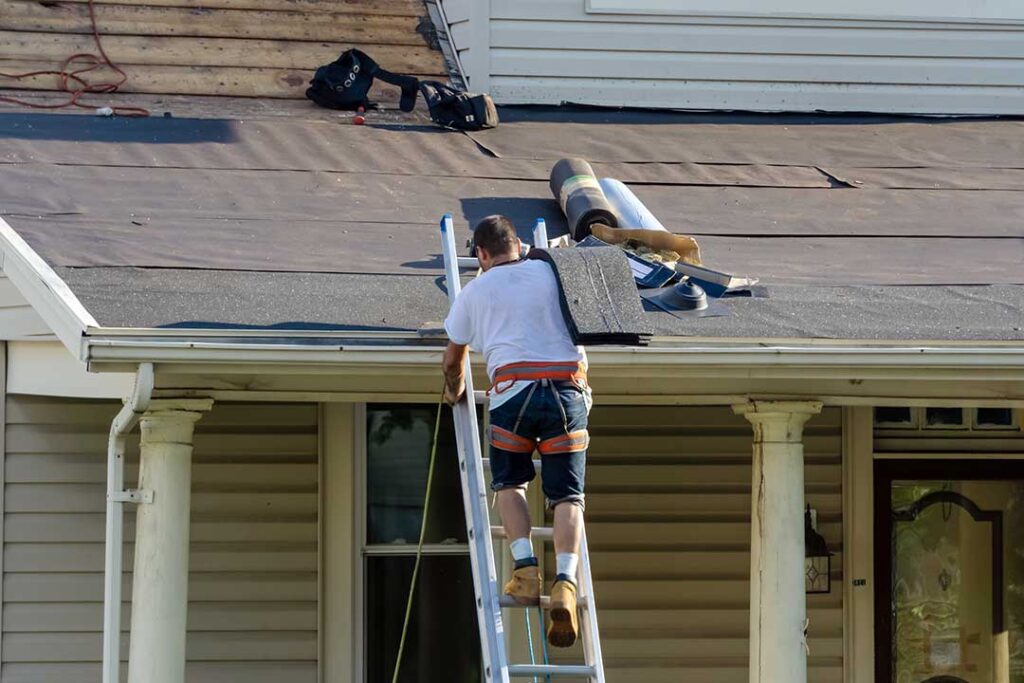
How Do Flat and Sloped Roofs Compare for Local Homes?
Flat and sloped roofs each offer distinct advantages and challenges, especially for households in Rome, NY. Understanding the key differences helps area residents make informed, practical roofing decisions.
Flat roofs appear level but have a subtle pitch—usually just enough to direct water toward drains. Sloped roofs, common in the region, are angled for greater water runoff. Both types can perform well in this climate, but their suitability depends on building style, weather, and maintenance preferences.
What Are the Main Weather Considerations in This Area?
Winters in Rome, NY can be snowy and icy, which makes roof slope an important factor. Sloped roofs shed snow and rain more efficiently, reducing the risk of leaks or structural strain from heavy snow buildup. Flat roofs, while durable, are more prone to water pooling if drainage isn’t properly managed. This can increase the risk of leaks or ice dams in freezing conditions.
For example, after a heavy snowfall, a sloped roof typically clears itself faster as the sun melts the snow and gravity does its work. A flat roof may need periodic inspection to make sure drains stay clear, especially if ice forms along roof edges.
Which Roof Style Is Common in Local Architecture?
Most single-family homes throughout the area have sloped roofs—often gabled or hipped designs. This tradition matches regional weather needs, as well as certain aesthetic expectations. Flat roofs are more commonly seen on commercial properties or some newer modern homes, where they provide a distinctive look or maximize usable rooftop space.
Local building codes also affect roof design. In some cases, codes set minimum pitch requirements for residential buildings to address the risks of snow accumulation. Checking local ordinances or consulting publicly available city guidance can clarify any restrictions before a project begins.
Do Flat or Sloped Roofs Cost More to Build or Maintain?
Upfront construction costs vary widely based on materials and complexity, but flat roofs are generally quicker and less expensive to construct for simple structures. However, long-term costs may rise if additional maintenance is needed to keep drains operating properly, especially given the freeze-thaw cycles common in this region.
Sloped roofs take longer to build and may use more materials, but their natural drainage often translates to fewer issues in wet or snowy weather. Maintenance for sloped roofs usually means checking shingles and flashing, while flat roofs often require periodic membrane inspections and drain cleaning.
Residents should also consider lifespan—sloped roofing materials like asphalt shingles or metal often last 20 years or more, while flat roofs may need more frequent resurfacing due to weather exposure.
How Do Roof Types Affect Energy Efficiency in This Climate?
Proper insulation is critical for all roofs in Rome due to cold winters and summer sun. Flat roofs are easier to insulate uniformly, reducing heat loss, but if water pools or leaks develop, energy performance can suffer.
Sloped roofs provide natural attic ventilation when used with vents, which helps manage moisture and keeps indoor temperatures steadier year-round. These traditional designs tend to perform reliably in the local climate, especially when paired with attic insulation rated for the area.
For those considering solar panels or green roofs, flat designs can make installation simpler and offer space for rooftop gardens, but local snow and rain patterns should be evaluated for year-round usability.
Are There Common Misconceptions About Flat or Sloped Roofs?
A frequent misconception is that flat roofs are only suited to commercial buildings. In reality, modern materials have improved their residential viability, provided that homeowners commit to regular upkeep. Another myth is that all sloped roofs prevent leaks entirely—poor installation or damaged shingles can cause leaks on sloped roofs, too.
It’s also often underestimated how much local climate influences roof longevity. A flat roof in a drier region may need less attention, but in areas prone to snow or rain, ongoing drainage management becomes essential.
What Should Homeowners Weigh When Deciding?
The best choice depends on several factors beyond appearance:
- Weather resilience—How will the roof stand up to snow, rain, and freeze-thaw cycles?
- Maintenance commitment—Are ongoing inspections manageable?
- Home style—Does the architecture suit a particular roof type?
- Use of space—Is rooftop access or outdoor living important?
- Cost—Are initial savings or long-term ease of upkeep more important for your household?
Practical examples include historic homes that blend better with sloped roofs, whereas a new build designed for rooftop gardening might benefit from a flat profile. For multi-unit dwellings or low-rise apartments, flat roofs can provide shared outdoor areas or make equipment placement easier.
By matching roof type to the specific needs of your property, climate, and maintenance habits, local households can achieve a comfortable, reliable shelter suited to the unique conditions of Rome, NY.
