
How can animals affect roof integrity?
Animals can damage a roof by creating entry points, disturbing protective materials, blocking drainage, and introducing moisture or waste into enclosed areas. In Rome, NY, these problems may become more serious during long periods of snow, freezing temperatures, rain, and strong seasonal wind.
Roof damage does not always begin with a dramatic hole. A small lifted shingle, loose flashing edge, or gap near a vent can give animals access to the roof system. Once inside, repeated activity can turn a minor weakness into water damage, insulation problems, or structural deterioration.
The most common animal-related roof threats include:
- Squirrels and other rodents
- Raccoons and similar larger wildlife
- Birds and bats
- Wasps and other insects
- Domestic animals that climb onto low roofs
- Falling branches or nesting materials moved by animals
What types of roof damage do squirrels and rodents cause?
Squirrels and rodents often cause damage by chewing. Their teeth continue growing throughout life, so they may gnaw on wood, plastic, wiring, vent covers, and other materials. Roof edges, soffits, fascia boards, and areas around utility penetrations are common targets.
A squirrel may enter through a small opening beneath a damaged soffit or at a roof-to-wall connection. Rodents can use even narrower gaps, especially where materials have warped, cracked, or separated with age.
Possible signs include:
- Gnaw marks on wood, plastic, or vent screens
- Scratching sounds in the attic
- Nesting material near roof edges or insulation
- Droppings or urine odor
- Daytime animal activity near the same roof opening
- Loose soffit panels or damaged fascia
Rodent activity can also affect insulation. Nesting materials may compress insulation or create spaces where indoor heat escapes. In colder weather, warm air escaping from the attic can contribute to uneven snow melt and ice buildup along roof edges.
Can raccoons cause serious roof damage?
Yes. Raccoons are strong enough to tear or dislodge roofing components that smaller animals cannot move. They may pull apart loose soffit material, widen openings near vents, or damage shingles while searching for shelter.
A female raccoon may seek a warm, protected attic space before giving birth. If an opening is blocked while young are inside, the animals may cause additional damage trying to escape. Raccoons can also contaminate insulation and attic surfaces with waste.
Larger wildlife may damage:
- Ridge vents and roof vents
- Chimney flashing
- Soffits and fascia
- Shingles near an entry point
- Skylight or dormer edges
- Gutter sections used as climbing routes
Because raccoons can carry parasites and diseases, attic cleanup should not be treated like ordinary household maintenance. Avoid handling animal waste, nesting materials, or trapped wildlife without appropriate protective measures.
How do birds and bats affect a roof?
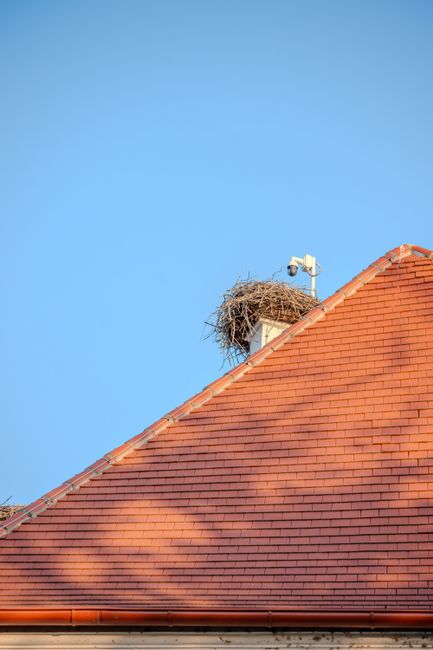
Birds commonly use roof cavities, vents, and openings under eaves for nesting. Nesting materials can block ventilation openings and trap moisture. In some cases, birds pull apart vent screens or loosen roofing materials while entering and leaving.
Bats may use narrow gaps beneath flashing, behind fascia, or near roof vents. Their presence is often noticed through nighttime activity, staining near an opening, or droppings below an entry point. Bat exclusion requires care because sealing an opening at the wrong time can trap animals inside. Some species may also be protected by wildlife regulations.
Bird nests can create additional risks:
- Blocked attic ventilation
- Moisture retained against wood
- Combustible nesting material near heat sources
- Insects attracted to organic debris
- Staining and odors from droppings
A vent designed to allow airflow should not be left open to animals. Vent screens and protective covers need to permit ventilation while resisting entry.
Do animals damage shingles, gutters, and flashing?
Animals can damage all three, although the method differs. Birds and squirrels may scratch or lift shingles while searching for insects or nesting space. Larger animals may walk across roof surfaces, bend flashing, or loosen materials along edges.
Gutters are especially vulnerable because they can serve as travel paths. Animals may bend gutter hangers, pull sections away from the fascia, or leave nesting debris behind. A damaged gutter can overflow against the roof edge and exterior walls.
Flashing around chimneys, dormers, valleys, and roof penetrations is another weak point. If flashing is already loose or sealant has deteriorated, animal activity can enlarge the opening and allow water to reach the roof deck.
Can animals cause leaks even without making a visible hole?
Yes. A roof may leak after animal activity even when no obvious opening can be seen from the ground. Damage may occur beneath shingles, around flashing, inside a vent assembly, or where a roof edge has been bent.
Water can also enter through disturbed materials rather than a completely missing component. For example, a lifted shingle may still appear intact but no longer shed water correctly. A blocked gutter or damaged downspout can send water back toward roof edges during heavy rain.
Indoor warning signs include:
- Water stains on ceilings or upper walls
- Damp insulation
- Peeling paint near the attic
- Musty odors
- Unexplained drafts
- Light visible through attic openings
- Frost or excess moisture inside the attic during winter
A roof leak should be investigated promptly, especially before freezing weather. Water that enters and freezes can expand cracks and worsen separation between roofing materials.
What seasonal conditions make animal damage worse?
Cold weather encourages wildlife to seek protected spaces. Snow can hide roof defects, making it harder to see lifted shingles, damaged flashing, or openings near the eaves. Ice and repeated freeze-thaw cycles can also make existing gaps larger.
Spring brings nesting activity. Animals may return to the same sheltered location each year if an opening remains available. Summer heat can intensify attic odors and moisture problems, while autumn is a common period for squirrels and other wildlife to search for winter shelter.
After major wind, heavy snow, or ice, inspect visible roof edges from the ground. Look for displaced shingles, hanging soffit panels, damaged vents, and unusual animal activity. Roof surfaces should not be walked on when icy, snow-covered, or steep.
How can animal-related roof damage be prevented?
Prevention begins with maintaining the roof system and reducing access points. Useful measures include:
- Replacing damaged vent screens
- Repairing loose soffits and fascia
- Keeping tree limbs away from roof surfaces where practical
- Securing chimney caps and appropriate wildlife barriers
- Removing nesting debris only after confirming no animals are inside
- Keeping gutters clear so they do not become travel routes or nesting areas
- Checking roof penetrations and flashing after storms
- Sealing attic entry points with durable materials suited to the location
Do not seal an opening until it is clear that no animals or young are trapped inside. A one-way exclusion method may be necessary for some wildlife, while bats and certain nesting birds may require seasonal handling.
If an animal is trapped, aggressive, injured, or surrounded by contaminated waste, safety and legal considerations may require trained wildlife handling. Roof repairs should follow removal and sanitation, since covering an active entry point can conceal a continuing problem.
What should homeowners check after hearing animals in the attic?
Start with a ground-level exterior inspection and note where sounds or stains appear. Check the attic only if it can be done safely, using protective clothing and avoiding contact with droppings, nests, or insulation.
Look for the entry point, but do not immediately close it. Photographing the area from a safe position can help document changes. If water is entering, place a container beneath the drip when practical, keep electrical equipment away from wet areas, and monitor ceiling stains for expansion.
Animal activity is often a symptom of a vulnerable roof detail rather than the only problem. Addressing the opening, damaged materials, moisture, and contaminated areas together provides a more complete solution.
