
What Causes Shingle Curling and Cracking?
Shingle curling and cracking are common issues in Rome, NY due to the city’s variable climate, including heavy snow in winter, humid summers, and wide temperature swings throughout the year. These conditions place substantial stress on roof materials.
Curling occurs when the corners or edges of asphalt shingles lift away from the roof surface, while cracking involves visible splits or fissures in the shingles. Common causes for both include:
- Natural aging and weathering over time
- Repeated freeze-thaw cycles that expand and contract roofing materials
- Poor attic ventilation, which can trap heat and moisture under the roof
- Improper shingle installation or use of incompatible underlayments
- Build-up of heavy snow and ice, especially after harsh winters
Understanding these root causes helps local homeowners determine whether they’re facing a minor maintenance issue or a sign of underlying problems.
How Can Residents Recognize the Signs Early?
It’s usually possible to spot shingle damage before it leads to leaks or costly repairs. Residents in Rome should watch for:
- Shingles with edges or corners visibly lifting
- Shingles that look wavy or distorted
- Surface cracks running either along or across the shingles
- Bald spots where granules have worn away, often found in gutters
Checking the roof from the ground using binoculars in spring and fall can help catch early signs. Safely inspecting from a sturdy ladder may reveal hidden shingles on the north-facing or shaded roof sections that are more prone to lingering moisture and damage.
Can Shingle Curling and Cracking Be Prevented?
While some wear is inevitable, several strategies can slow down or minimize damage:
- Ensure attic ventilation meets local building codes, which helps regulate temperature and moisture levels
- Keep gutters clear to allow proper drainage and minimize water pooling near the shingle edges and roof valleys
- Remove snow buildup safely after heavy storms to avoid ice dams that force water back up under shingles
- Promptly address small issues like minor lifting or cracks before harsh winter weather arrives
Rome’s distinct winters make it especially important to prepare roofs each fall, so they are less likely to sustain damage when temperatures swing rapidly.
What Should Homeowners Do When They Notice Curling or Cracking?
If only a few shingles are affected, local residents can often manage limited repairs independently if they feel comfortable working on the roof. Some practical approaches include:
- Re-securing curled shingles with roofing cement if the underlying material is still intact
- Replacing single cracked or broken shingles to maintain the roof’s protective barrier
- Checking for underlying softness or roof deck damage, which may signal a larger issue
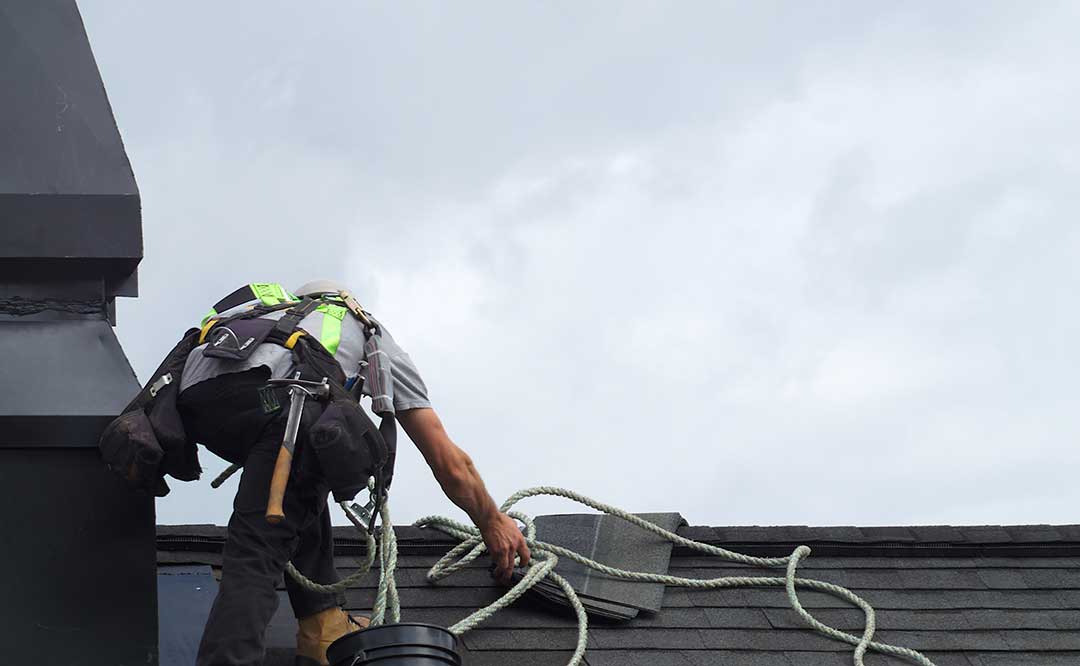
If there’s widespread damage, evidence of leaks, or if a roof is approaching the end of its lifespan (typically 20–25 years for asphalt shingles in this region), a full roof assessment may be needed. Always prioritize safety and avoid roof work during icy, wet, or windy conditions common to the area.
How Does Rome’s Climate Impact Shingle Lifespan?
The local climate plays a significant role in how quickly roofing materials age and develop issues like curling or cracking. Long winters with repeated ice storms, mixed precipitation, and rapid spring thaws stress shingle adhesives and materials. Summertime UV exposure can also dry out asphalt, making shingles brittle and more likely to crack.
Roofs on older or historic homes in the community may also be more vulnerable, especially if past repairs used materials not designed for Upstate New York conditions. Regular checks after major winter events or hailstorms are a practical routine for most area households.
Are There Common Mistakes When Repairing Shingles?
Some frequent errors can lead to repeat problems:
- Using too little or the wrong type of roofing sealant, allowing water infiltration
- Improperly matching replacement shingles, creating a patchwork prone to further damage
- Overlooking attic ventilation, which is critical for moisture control
- Ignoring gutter maintenance, which can accelerate edge shingle decomposition
Replacing shingles in cold weather can be difficult since adhesives may not seal properly, making late spring through early fall the preferred season for repairs in Rome.
When Should Residents Seek Further Support?
Tackling roof repairs is manageable for many, but safety and property protection come first. Seek further assistance if:
- The roof is very steep, slippery, or has multiple stories
- Water stains, leaks, or mold appear inside the home—suggesting moisture is already getting through
- Shingle curling or cracking covers large portions of the roof, which may mean widespread deterioration
Area households with unique roofing materials (such as slate or clay) or those living in designated historic districts may need to reference local building guidelines to ensure repairs align with community standards.
